Restoring Polluted Soils
The Horizon Europe project EDAPHOS aims to implement innovative technologies to monitor polluted soils and implement nature-based solutions to accelerate their restoration and ensure that the processes developed can be integrated into a commercial offer.


What is EDAPHOS?
Welcome to the EDAPHOS project, where our mission is to revolutionise soil restoration. Our ambitious objectives involve implementing cutting-edge technologies to monitor and rejuvenate polluted soils while accelerating their recovery. To learn more about our innovative work, click on the buttons below.

Objectives
Our objectives involve implementing cutting-edge technologies to monitor and rejuvenate polluted soils while accelerating their recovery.

Work Packages
From innovative soil monitoring techniques to nature-based restoration approaches, the project is structured into seven work packages.

Results
We are committed to delivering results that matter, to make our findings accessible to all, ensuring a sustainable future for soil health.
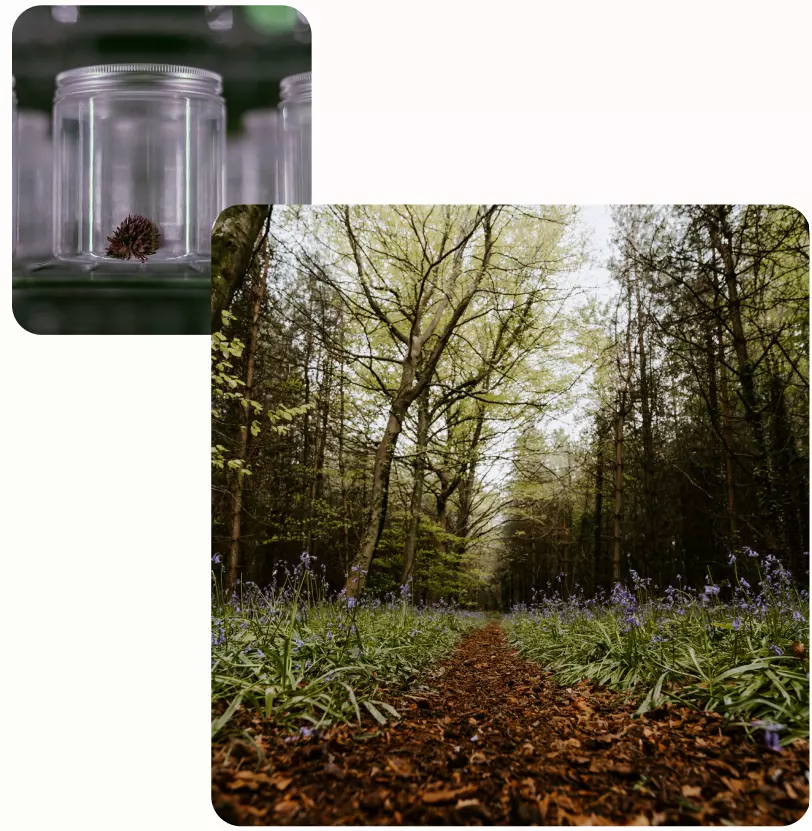
Our Case Studies
We have chosen seven case studies across the EU, spanning various climates (Mediterranean, Continental, Atlantic) and environmental challenges. Each case study addresses a unique pollution issue, but together, they represent common problems across the EU regions.
Latest News
Related News
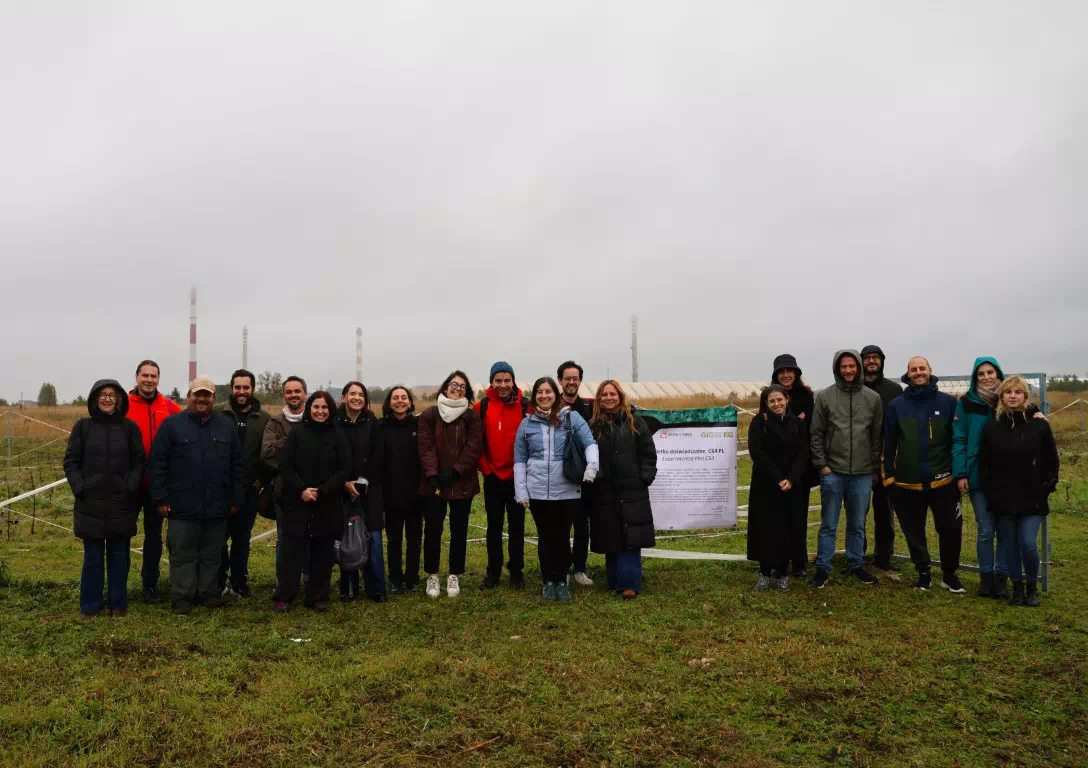
EDAPHOS Consortium Meeting in Katowice: Two Years of Progress and Collaboration
The EDAPHOS project celebrated its second year with a successful consortium meeting held in Katowice, Poland, from 7 to 9 October 2025.
Related News
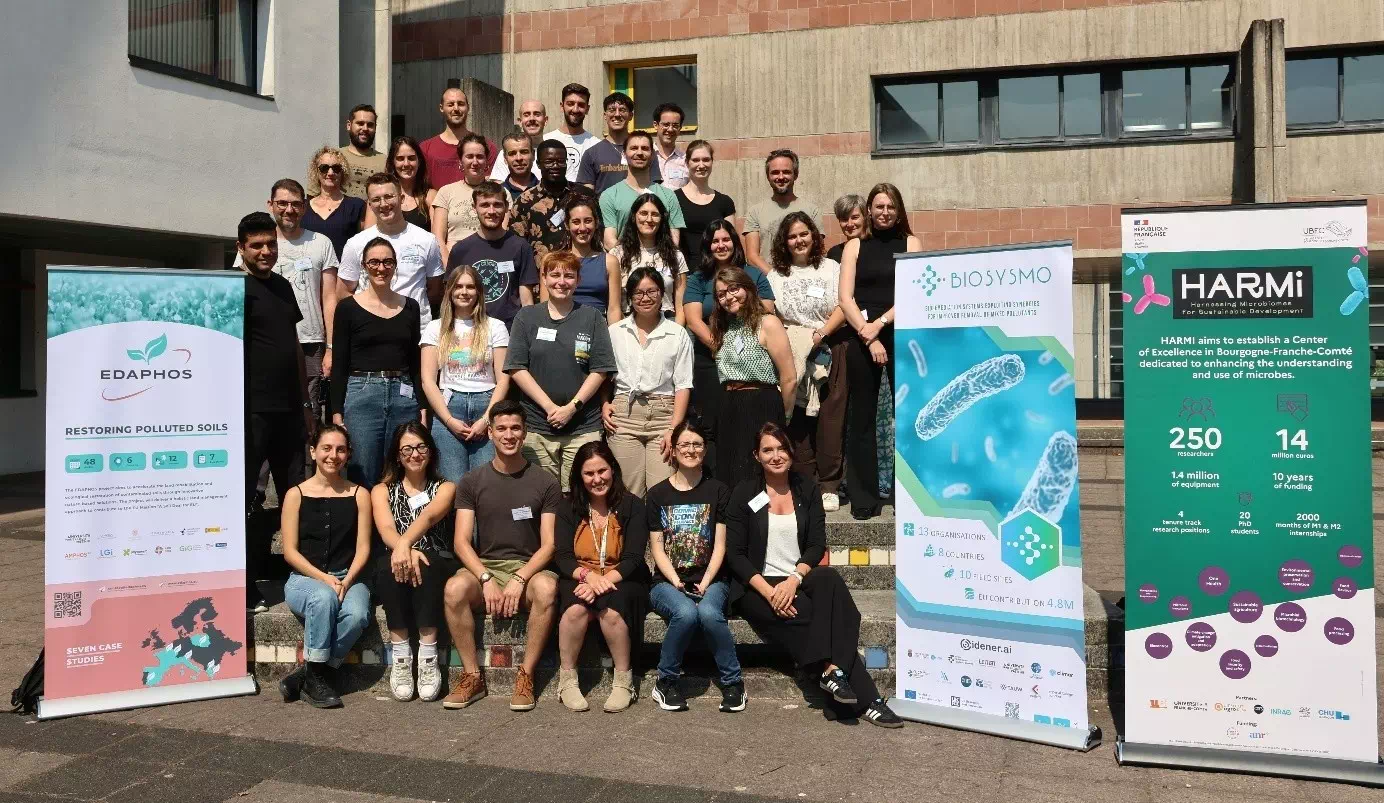
EDAPHOS & BIOSYSMO Summer School 2025: A Week of Soil Science in Action
From 25-29 August 2025, the EDAPHOS and BIOSYSMO projects co-organised their first Summer School on Soil Remediation in Montbéliard, France.
Related News
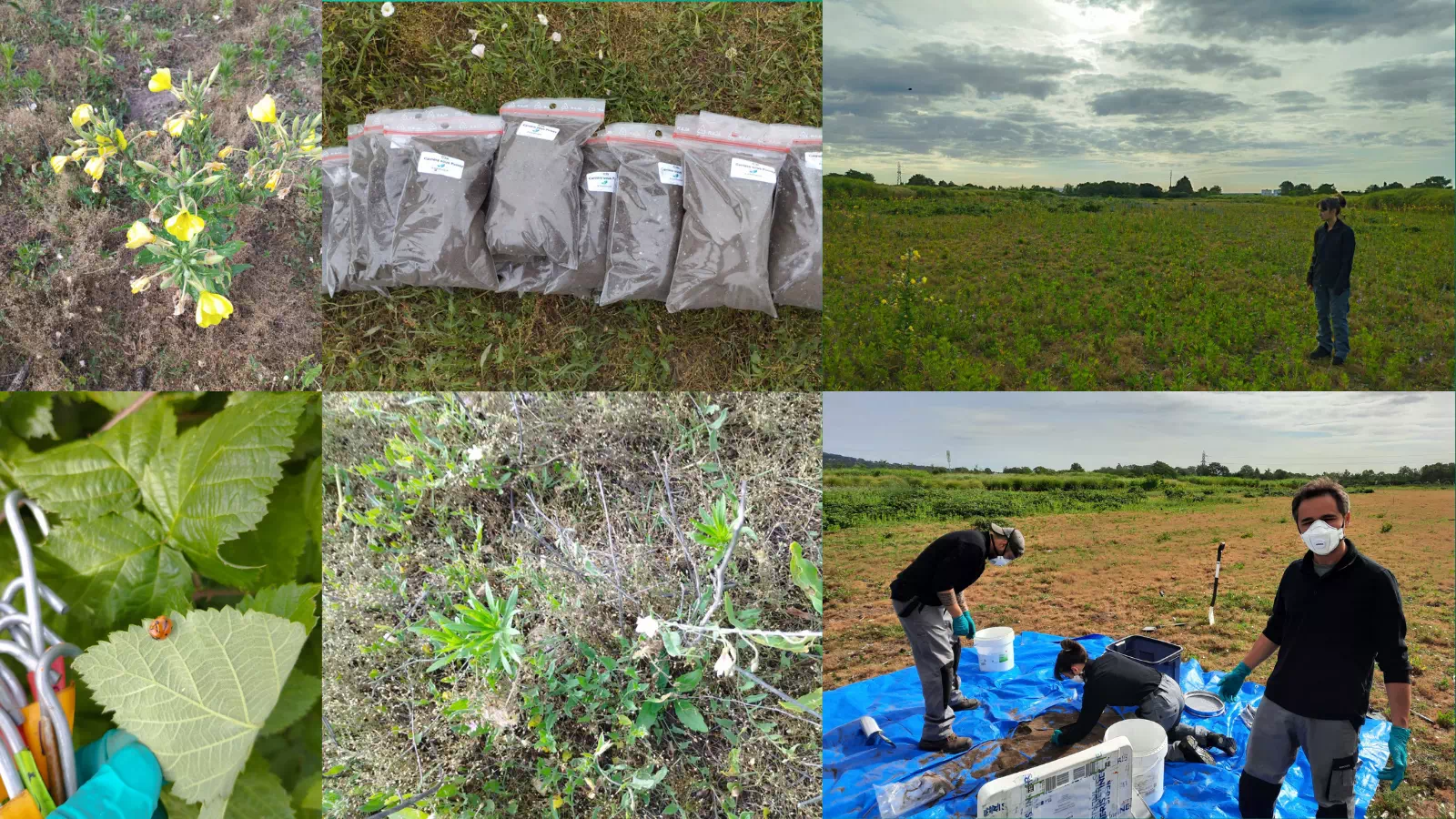
Fieldwork at Carrières-sous-Poissy - Poplars for Soil Remediation
We are situated in the northwest of Paris: Carrières-sous-Poissy. There, lies a 330-hectare agricultural site that tells a story many European sites know, and currently managed by Seine-yvelines-environnement . During the 20th century, this site received an influx of raw wastewater, leaving behind moderate contamination with heavy metals such as cadmium, lead, and zinc.
Project partners